 OpenMake
01 / Process
How these notes are made
After code lands, we reconstruct the story from its commit, diff, tests, and runtime evidence. The result becomes a durable technical document for users and contributors.
OpenMake Engineering Log
Not a changelog echo. Each entry explains the problem, the design decisions, the implementation boundary, the evidence, and the trade-offs behind a shipped OpenMake change.
01 / Process
After code lands, we reconstruct the story from its commit, diff, tests, and runtime evidence. The result becomes a durable technical document for users and contributors.
02 / Project
These notes come from the public openmake_llm repository. Real use, reproducible issues, and documentation fixes all help shape the next change. See how to contribute
Engineering deep dive
A Mac mini runs the app, a DGX Spark runs the models, and one 127.5 GB pool holds everything on the far side. Here is where that went wrong over six months — a model swap that stayed invisible because an alias was doing its job, a fan-out that met real rate limits, and a bottleneck that turned out not to be memory at all.
Read the engineering note
1.23.0 is not a release that added features. It is the release that decided what a user and an operator can each do when the answer is wrong, the task is dead, or the records have vanished entirely.
Read the engineering note
The four deep dives written so far have something in common. Something we believed was in place was not, and what told us was never the test suite — it was production.
Read the engineering note
The roadmap names the Execution Graph as the next step. Rather than building it in one pass, we split it into three increments that measure first and fix second. The first measurement came back at 45%, and the cause was not the code.
Read the engineering note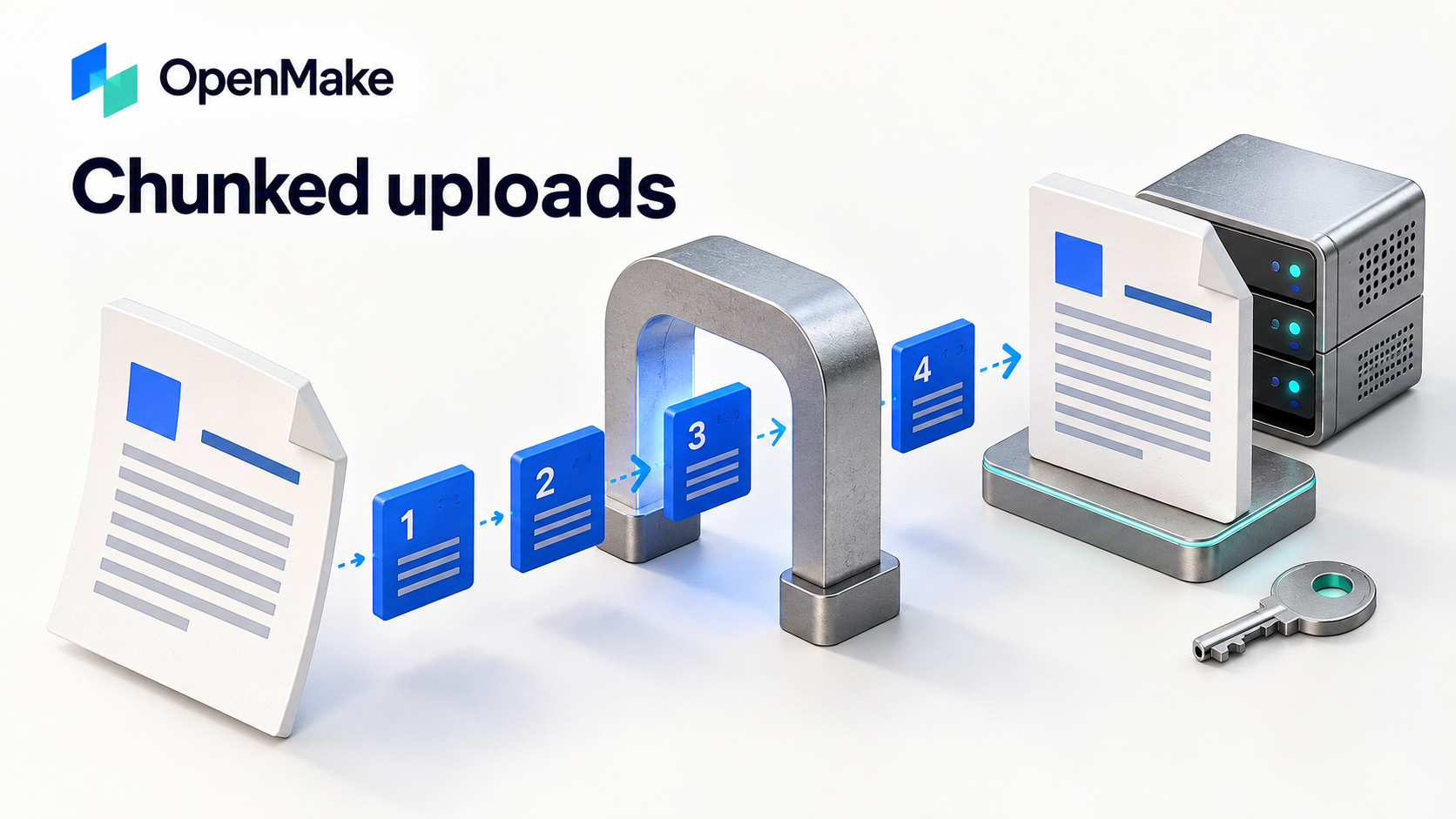
How OpenMake changed large agent-task attachments from one oversized request into an authenticated, resumable-by-chunk protocol while preserving the existing task file contract.
Read the engineering note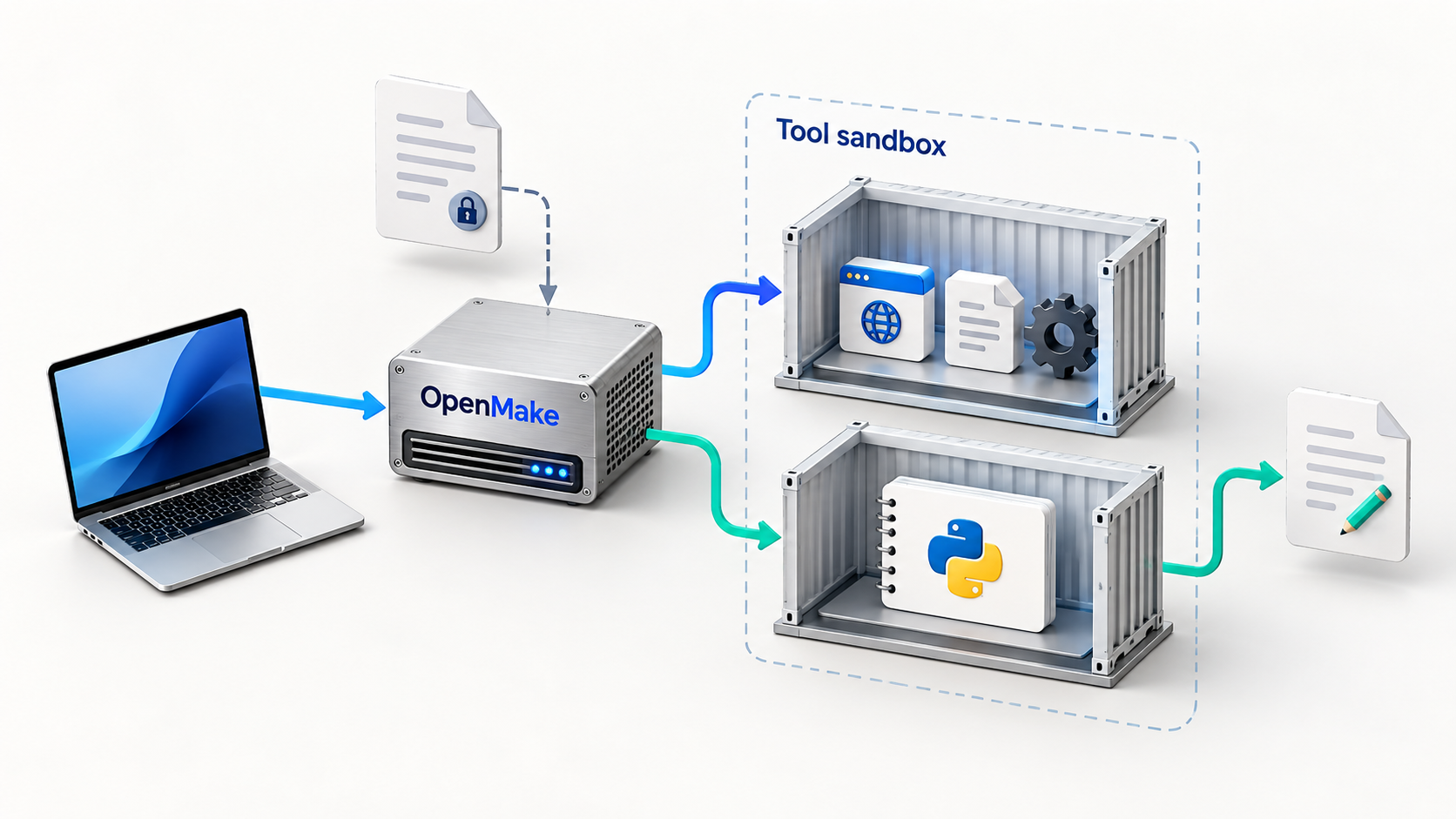
We shipped OS-level isolation for external MCP servers in a day, then deleted it the next morning. The tool we had chosen turned out to quietly do nothing on the host we actually run on.
Read the engineering note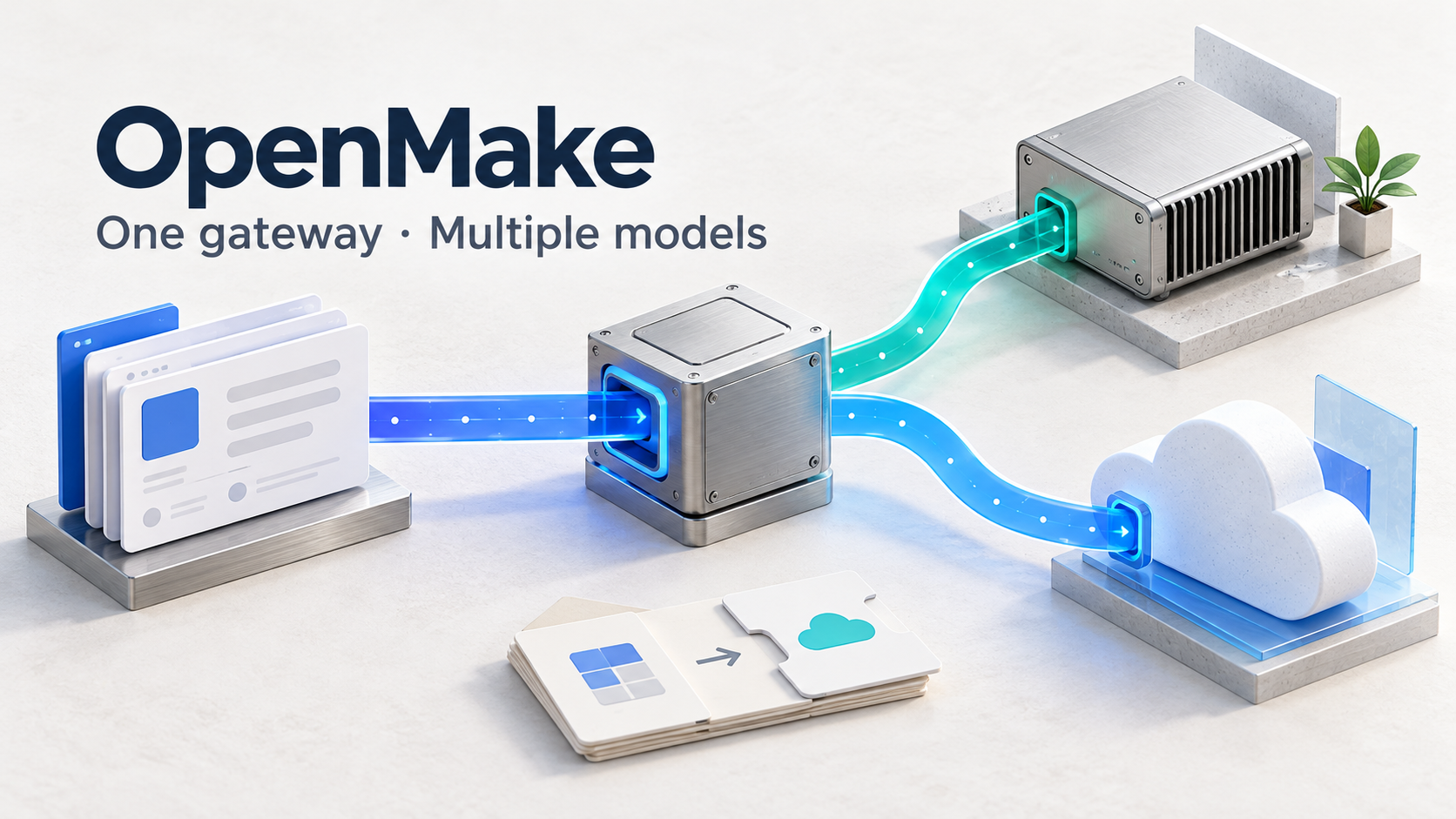
The code was tied to one server's dialect. A compatible signature let us move 100-plus call sites in a single day and delete 4,500 lines, but clearing what that compatibility layer left behind took another thirteen.
Read the engineering note2026 / W04–W47
W18 (April 27 – May 3) is missing from this list because there were no commits that week. An empty week is left out rather than written up.
In-progress snapshot observed on 2026-11-18, before the week ended. Through main cfd3668d at 08:12 KST on November 17, it contains 122 commits (including 62 merges) and seven general tags (1.138.0 through 1.139.2). The external-key toggle and UI anomaly fixes merged in W46 shipped in 1.138.0, followed by fixes for desktop installer download error responses, search task sources and the session list model, and safe Markdown rendering in the thinking panel. Task failure reasons now distinguish connection failures, service errors and timeouts while waiting, disabled external keys get their own error code, and the worktree isolation state of local runs is recorded on tasks and shown on web task cards. The web app gained a Companion app download page, and the bridge attaches abort reasons to exec results, lets browser stop/handoff cut in-progress navigation and waits immediately, and narrows home-folder reads for tools and commands to an allowlist. Later commits and the final week result are not included.
Read the engineering note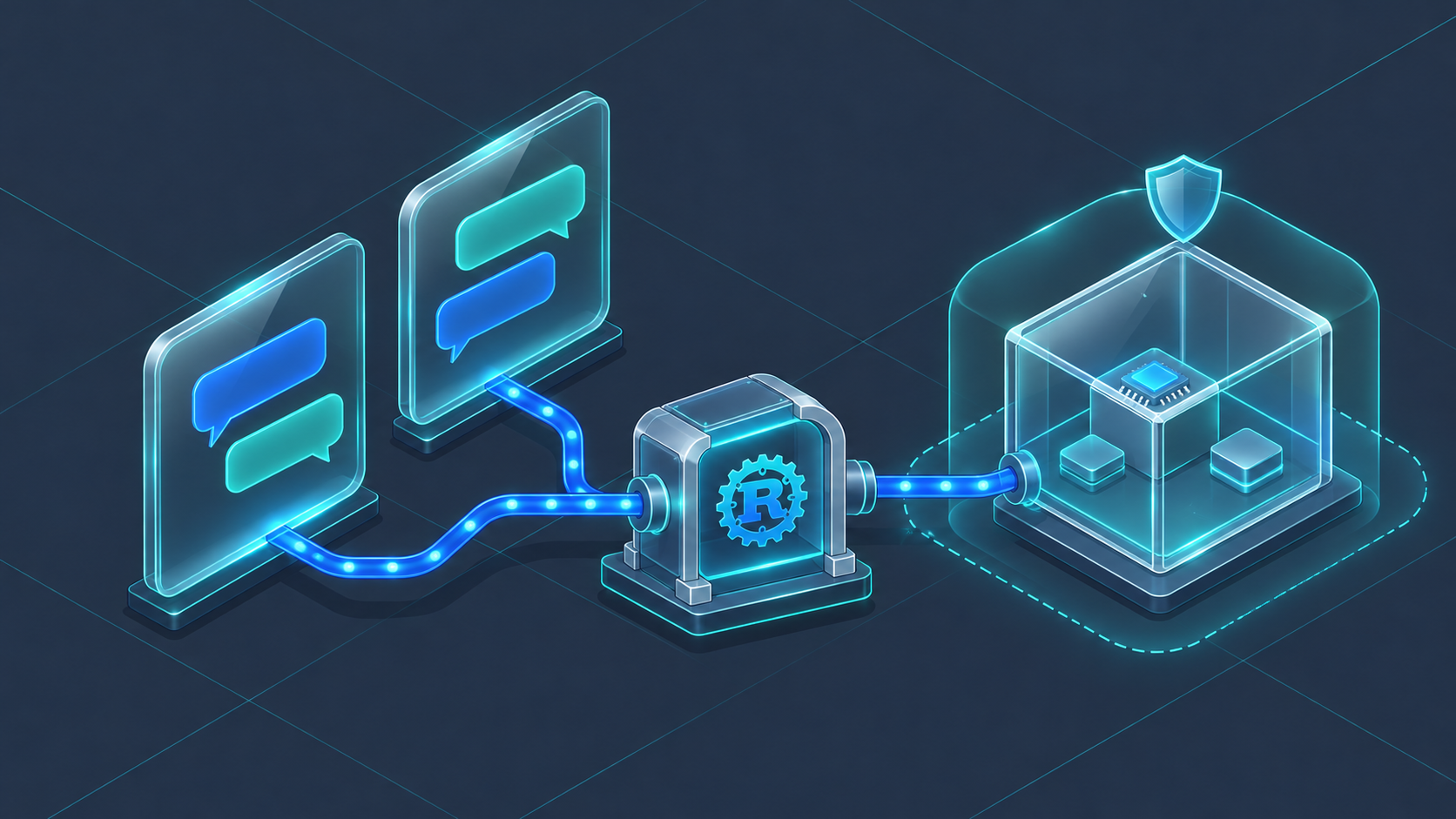
Completed W46 with 552 commits (including 168 merges) on main cfd3668d through November 15 at 23:59 KST; releases formally published on GitHub this week number 22 (1.128.0 through 1.137.0). The first, 1.128.0 (published November 9 at 05:17 KST), carried the history.images contract and MCP admin bridge changes developed on the last day of W45. Added conversation sharing with a read-only share page backed by migration 198, removed the embedding code-default fallback, disabled gateway and SDK retries, and recorded task timeouts as [timeout]. The local bridge core began moving into a Rust workspace (openmake-code): file kinds, connection, exec, worktree, read-only tools and the browser were ported step by step against the same conformance fixtures as the TS implementation, and a Rust helper (omk-helper) with the same stdio contract as the Node helper shipped inside macOS app 0.4.0. Along the way, sandbox rules such as realpath-scoped worktrees, absolute-only child PATH entries and blocked credential-file reads were aligned across TS and Rust, browser downloads were attributed to the task that started them, and UTF-8 chunk-boundary decoding was fixed in several runtimes. Google direct-provider thinking summaries, blocking of tool calls that keep failing with the same error, and desktop app publishing automation also landed. The external-key toggle (migration 199) and UI anomaly fixes merged this week but shipped in 1.138.0 (W47).
Read the engineering note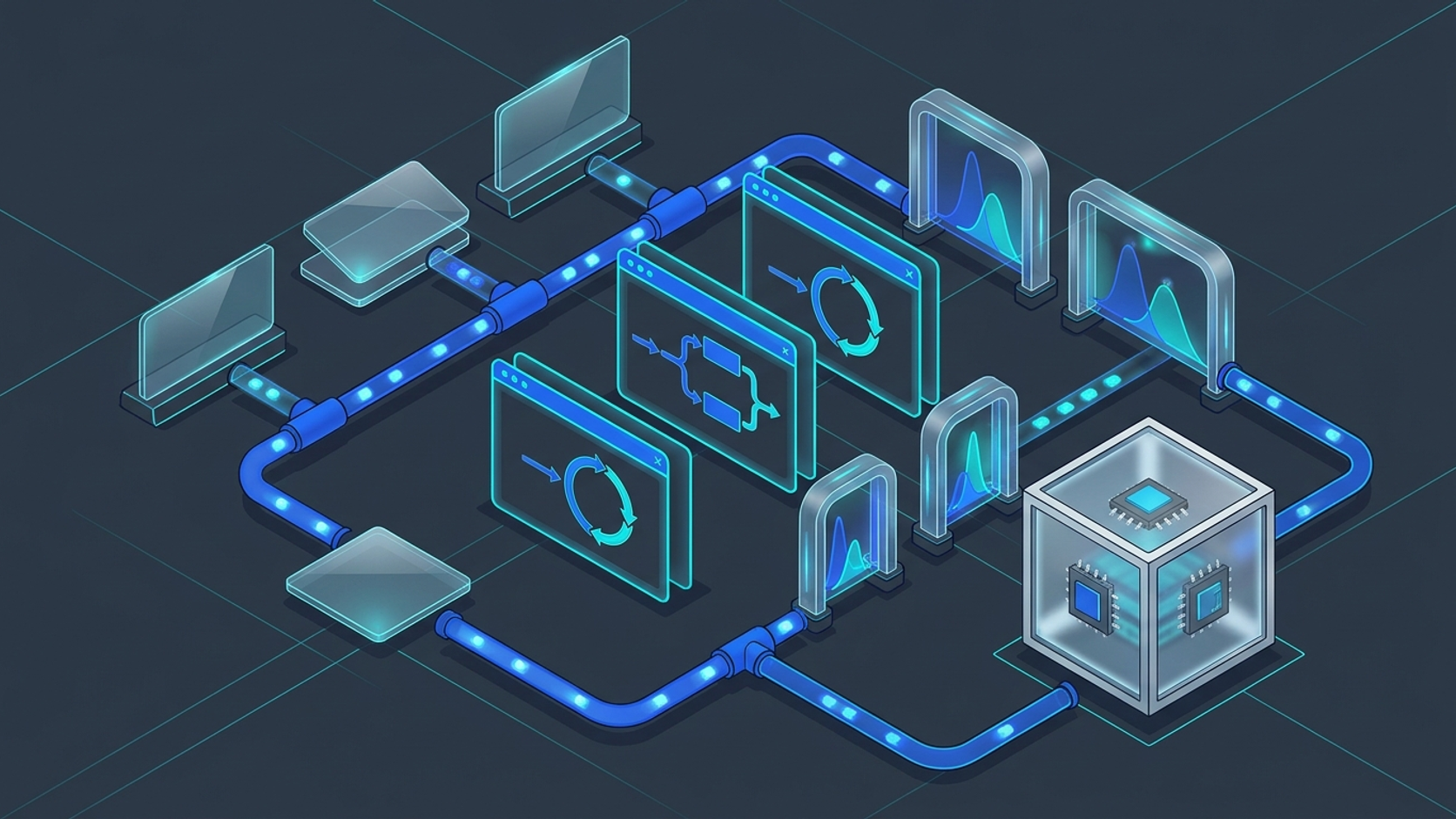
Completed W45 development with 233 commits. Releases formally published on GitHub this week (November 2–8 KST) number 26 (1.120.0 through 1.127.7). Formalized neutral chat-mode contracts (contracts PR-H1-1) with migration 196 to establish chat_mode_progress, would_route_to, and addonToolIntentTurns, aligning web frontend consumption and delivering live progress streams to the iOS 0.2.0 app. Introduced the history.images array contract to forward prior-turn image attachments to models in multi-turn conversations, matching regenerate signatures in the iOS OpenMakeKit framework. Propagated admin bridge allowance flags into userpool MCP client configurations, enforced egress internal-network gateway isolation when admin bridge is enabled, and hardened user MCP server isolation. The history.images contract and the MCP admin bridge changes were committed late on November 8 after 1.127.7 and shipped in 1.128.0 (W46), published November 9 at 05:17 KST. Following the comprehensive 2026-11-08 security audit, deleting or demoting the last active admin is blocked with 409 LAST_ADMIN, guest identifier entropy was enhanced, /generated path traversal was prevented, and image URLs are validated and fetched server-side. Additionally, 429 Retry-After headers from external LLMs are parsed with exponential backoff, local browser automation gained concurrent windows with control flow (if/repeat), model transition gates integrated paired bootstrap evaluation, macOS Companion packaged official static Node, Knowledge collection switched to batch multi-row INSERT queries, LLM local slots and task watchdogs were overhauled, chat auto-scrolling was scoped to container scrollTop preventing shell displacement, LISTEN_HOST was introduced, and runtime-limits-context was modularized.
Read the engineering note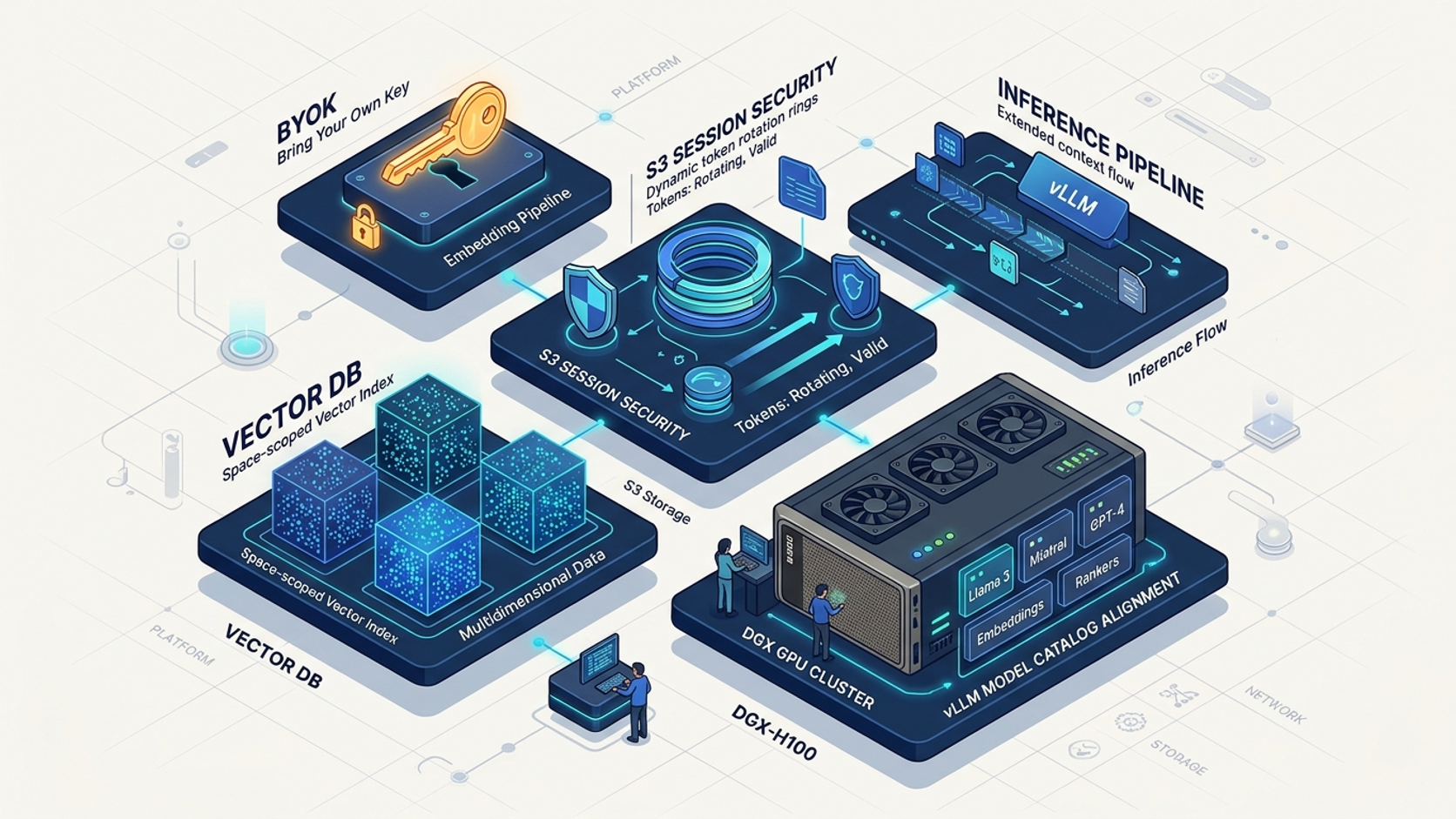
W44 concludes with 189 commits by committer time reachable from the 2026-11-18 snapshot cfd3668d and 14 tagged releases (1.115.6 through 1.119.0). Audit PR-3 security hardening delivered instant token invalidation, real-time WebSocket session revocation, and refresh token reuse detection. Application-level ping/pong heartbeats actively detect dead sockets and automatically retransmit pending abort signals upon reconnection, while compare-lane streams maintain Stop states across reconnects. DGX deployments gained official model ID alignment derived from live vLLM serving names, Qwen 3.8 Flash Next benchmark profiles, deployment synchronization, and lifted the 300-second fetch limit to allow up to 20-minute (LLM_TIMEOUT) long-context inferences. Web fonts were transitioned to self-hosted Fontsource packages eliminating third-party CDN dependencies, and development install-marker validations were sharpened. Knowledge Runtime 2.0 completed space-isolated embedding indices under migration 006, declared actor-byok embedding key policies, routed search queries with user keys, eliminated global admin reindexing in favor of transactional space-level reindexing (POST /spaces/:id/reindex), and automated the re-ingestion of previously failed documents upon index transition.
Read the engineering note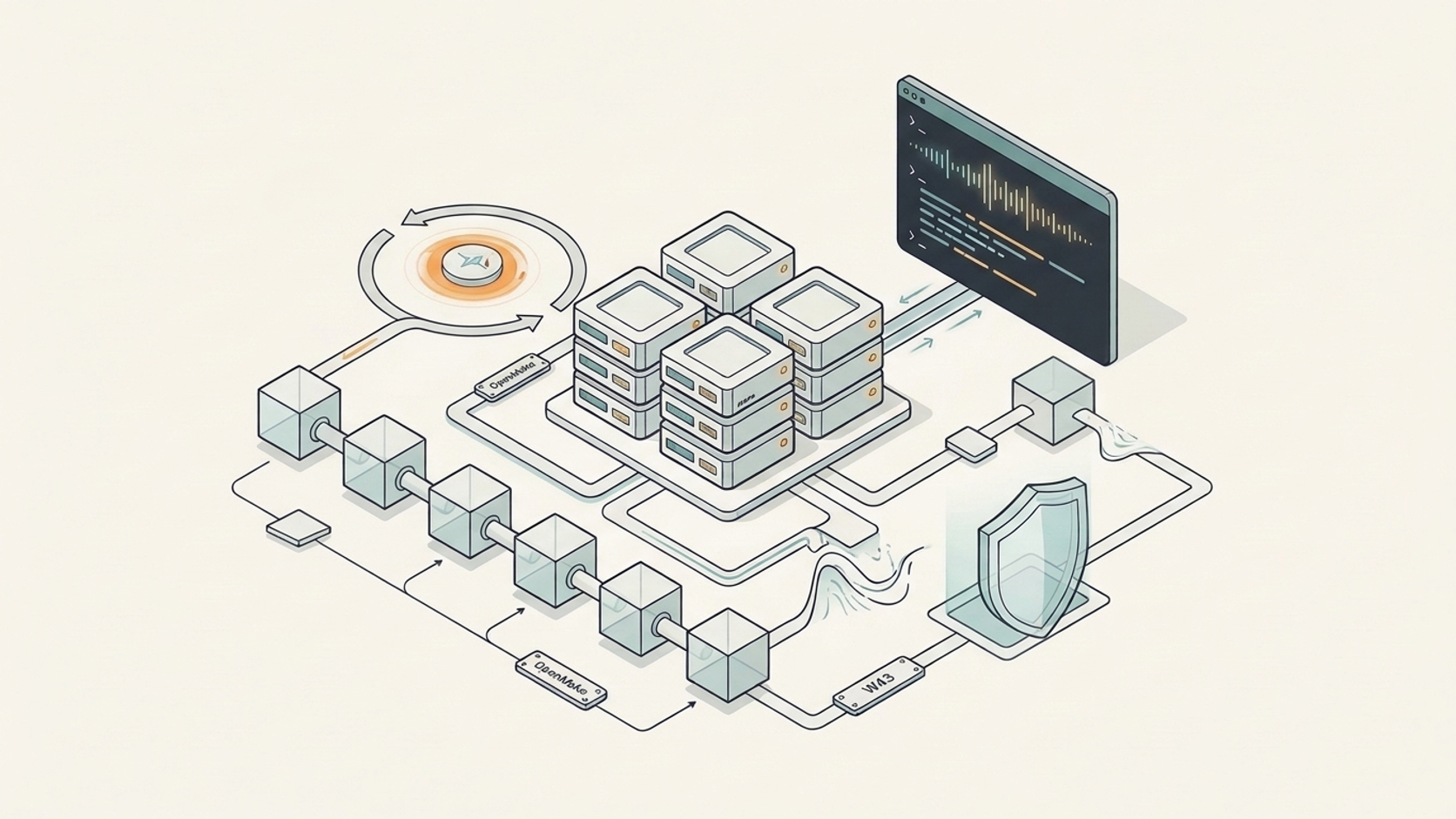
At October 25, 23:59 KST, main ac08a8a4 concludes W43 with 434 commits and 22 tagged releases (1.106.0 through 1.115.5). Unifies macOS runtime exclusively under Colima with isolated Playwright sandboxes, adds a web live terminal streaming panel with auto-follow scroll, connects an eight-stage verification and delivery pipeline, solidifies security floors including NULL-as-inactive API keys (S5), propagates taint boundaries across chat subagents, routes immediate cancellation signals through research and MCP meta boundaries, preserves chat session continuity after first-turn aborts, and introduces watchdog stale pending lease detection with resolved notifications. Across the weekend, comprehensive S1 and S2 security audits delivered default loopback port bindings, CSP sandbox report isolation, sandboxed artifact frame rendering, mandatory sandboxing for user-owned MCP servers with host-gateway blocking, deep MCP catalog argument validation, request and per-user upload quotas, workspace 0700 and O_NOFOLLOW link guards, and UTF-8 filename recovery.
Read the engineering note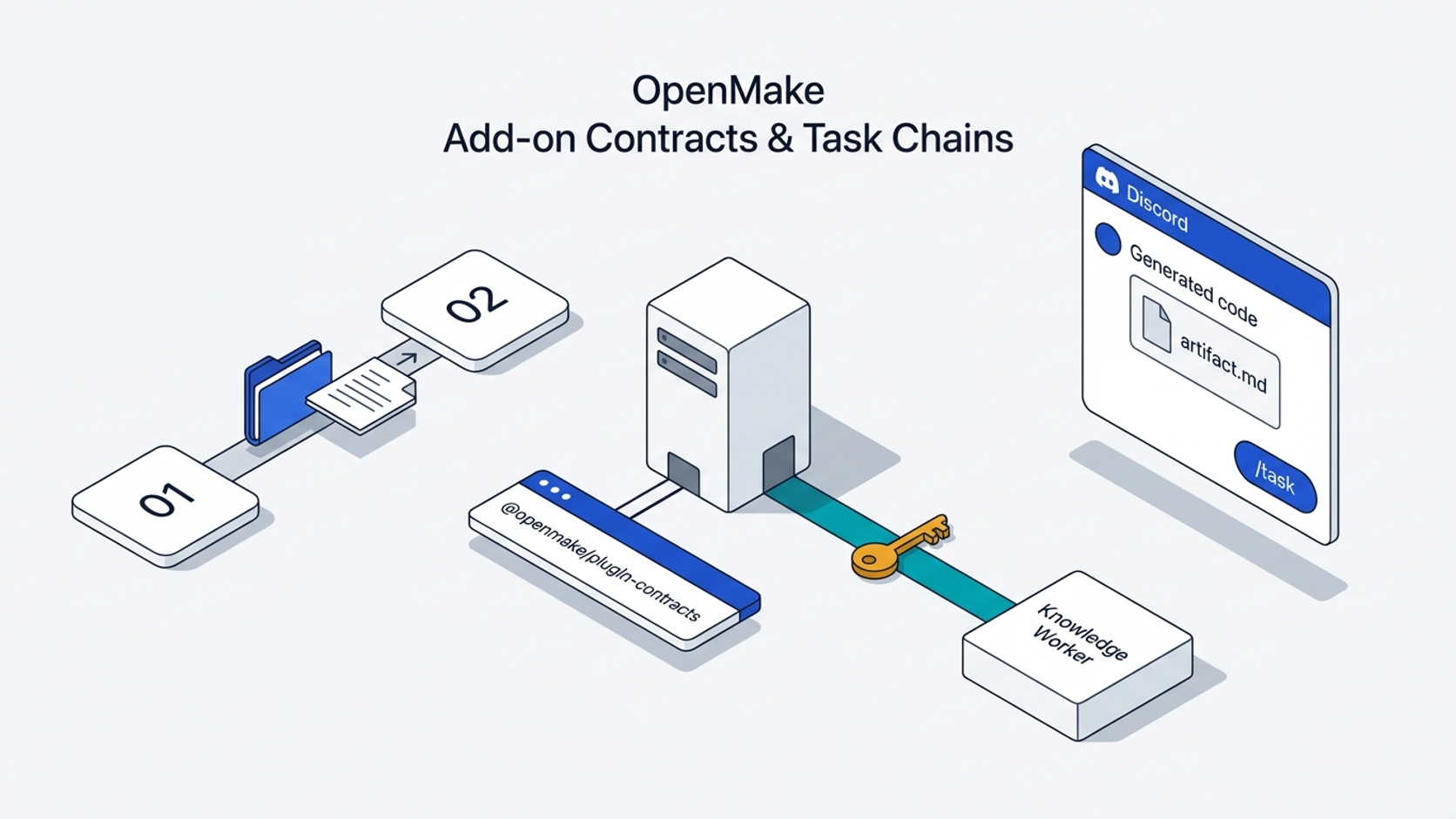
At October 18, 23:59 KST, main d29c34e7 contains 379 commits and 20 tagged releases (1.94.4 through 1.106.0). This week decoupled the Add-on contracts package (@openmake/plugin-contracts), achieved zero direct Base SQL against add-on owned core tables via Add-on Data Modules, established an isolated Knowledge Worker process with DB fencing tokens, introduced long-running agent task chains that hand off workspaces across limits, added Discord /task commands and artifact delivery, landed the API load benchmark harness with safeFetch redirect security fixes, deployed non-mutating /ready smoke checks, hardened multi-instance backup isolation, closed checkpoint fork isolation leaks, unified Node.js under .node-version as single source of truth, and bundled the macOS 0.3.7 and Windows 0.1.8 Companion release resolving reconnect duplicate hellos and forwarding mise environment paths. Final W42 snapshot distinguishing source records from fresh operational evaluation.
Read the engineering note
At October 11, 23:59 KST, main dd779dc7 contains 209 commits for this week. Releases 1.92.0–1.94.3 connect Companion policies/uploads, per-task reasoning and metrics, duplicate guards, orderly shutdown and boot recovery, successful-login auditing, bridge liveness, web search query cleaning, and tool citation numbering. Source records are distinguished from fresh operational evaluation.
Read the engineering note
Full main history reviewed on 2026-10-11 contains 410 W40 commits: the original 391-commit snapshot plus 19 October 4 Companion commits integrated later. Approval, recovery, chat, browser/local execution and installation work are distinguished from the then-tagged 1.91.0 release.
Read the engineering note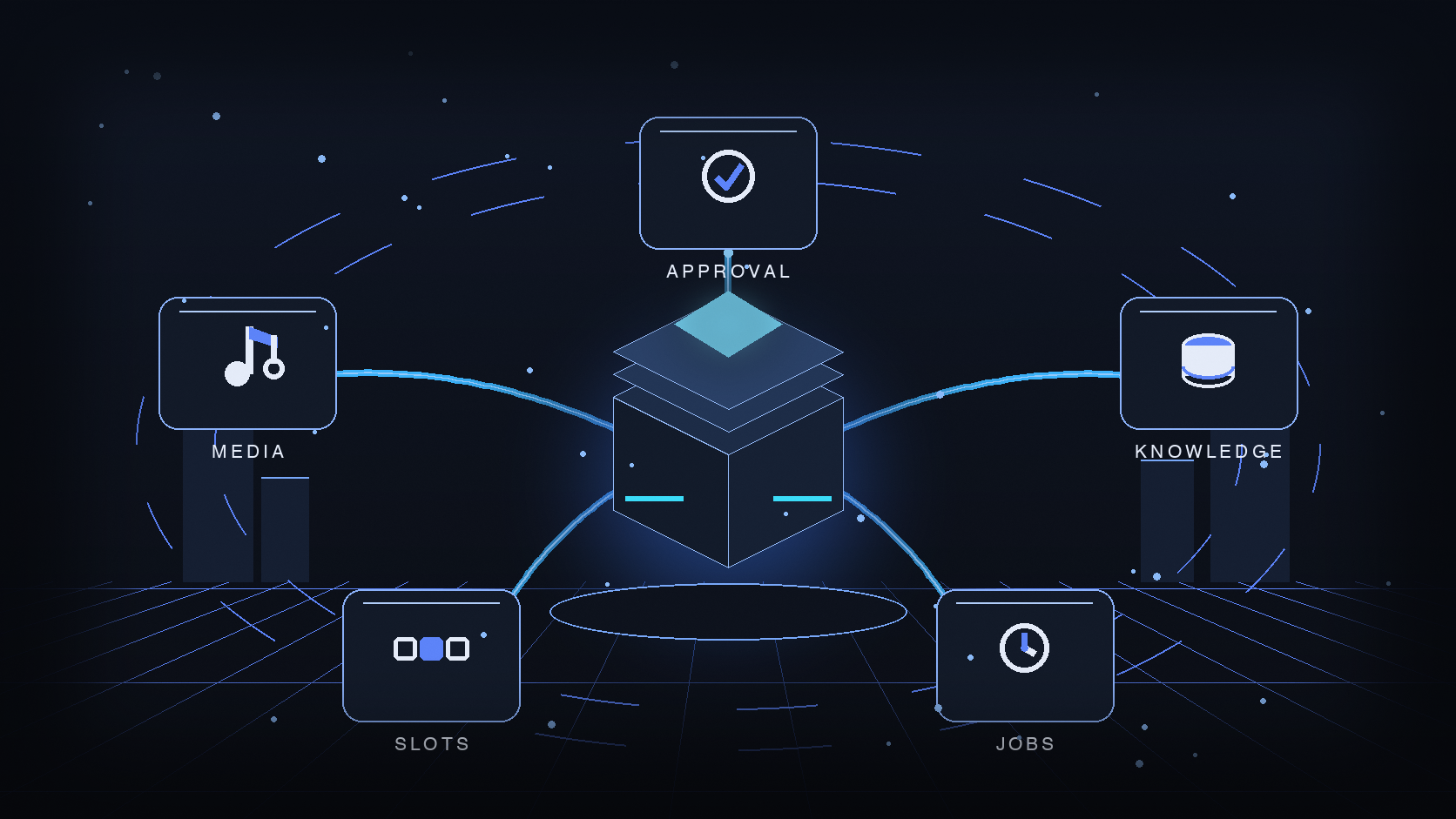
The complete week's GitHub main history contains 64 commits and 23 tags from 1.80.1 through 1.90.0. Generated media, Knowledge Space, capability runtime, space instructions/memory and media analysis were connected. Follow-ups corrected music, settings, model lookup and macOS/Linux installation; the final commit made bench installation opt-in through --bench.
Read the engineering note
As of the September 20 GitHub main snapshot, W38 has 86 commits and 34 tagged releases from 1.63.0 through 1.80.0. The main thread was a shift from feature-specific wiring to add-ons with explicit manifests, permissions, availability, and organization scope, alongside organization controls, cost accounting, catalog operations, and a measured path for admitting models.
Read the engineering note
W37 moved from guarding individual model settings to making model choice and multimodal execution visible. Compare mode put two answers side by side; Agent Tasks exposed parallel progress; and the model layer became a Planner-led capability path for text, image, vision, audio, video, and web work. From September 7 through 13, main added 86 commits and produced 35 tagged releases from 1.48.0 through 1.62.3.
Read the engineering note
From August 31 through September 6, GitHub main added 95 commits. On Thursday, in a separate repository, OpenMake Bench was built and put up at bench.openmake.cc: a measurement tool that runs the same prompts across models and routes under identical conditions, and benchmarks your own models through chat account SSO. The previous week's leftovers, 1.35.0 and 1.35.1, were cut in the small hours of Monday, and nineteen releases followed, 1.36.0 through 1.47.0. Three threads overlapped. HWP, HWPX, and HML documents, which the app accepted but could not read, are now extracted, and that work exposed a context-overflow error presented as a transient failure and a token underestimation, both fixed alongside. The local default model changed to qwen3.8-27b, local models are now discovered from the gateway instead of a static catalog, and the sampling defaults, reasoning preservation, and image-count issues found while checking the new model were handled in sequence. On the external side, hasa and B.AI arrived as BYOK providers, Discussion and Deep Research gained per-provider concurrency and 429 backoff so a free key's per-minute limit no longer collapses them, and the three-step reasoning-effort control is actually forwarded to external models. In between, three high, one medium, and many low findings from an apps/api security review were closed over two days, the routing golden set grew to 150 cases and routing accuracy went from 77.5% to 100%, and a nightly real-model evaluation was put on the operations Mac. From Thursday evening to Saturday midnight, work of a different character followed. Six Deep Research consistency defects were closed at once, the language drift that answered Korean questions in English was caught on two fronts, and the same Instrument design tokens were laid down across web, iOS, and Bench. The socket problem that lost the in-flight response when a tab was switched was fixed with stream detach/resume, and in the prompt-trimming work the first post-deployment measurement reversed the design twice in a row. On the site, a Simplified Chinese locale went up, making four languages. Sunday, the last day, had a character of its own. It began by closing memory defects an external review had flagged, cut four releases in a single day (1.45.0 through 1.45.3), and closed with agent-task coding work grounded in 30 days of production measurement plus a code-navigation tool that runs without an approval prompt (1.46.0 and 1.47.0).
Read the engineering note
From August 24 to 30, GitHub main added 81 commits and three releases: 1.33.0, 1.33.1, and 1.34.0. After the previous week's feature run, the work moved toward making agent work recoverable and legible: local tasks can be resumed, inspected, and shared as read-only work; a shared artifact viewer keeps published output on an isolated origin; and read-only tools can run in parallel within one turn. Later in the week tool failure gained a denominator, and a circuit that cuts off repeatedly failing external tools was put in place with the gate off by default. The same pass tightened the extension and MCP boundaries, removed mock-only administrator surfaces, stopped expired sessions from polling forever, and moved task workspaces and logs out of ephemeral /tmp onto a persistent path.
Read the engineering note
One hundred and fifteen commits shipped nine releases this week, 1.26.0 through 1.32.1. Answer rendering was rebuilt for phone screens and the phone gained maps, location, and a camera, while OpenMake Code opened a path for running tools on the user's own machine and closed it out with an audit trail and a single bridge core. The desktop moved its centre of gravity: the Electron shell was frozen and a SwiftUI native companion took over. On the last day the direction turned once more, from trusting written configuration to trusting the model itself - capability and context length are measured at boot, reasoning effort became a user choice, answer verification arrived, and every LLM call was routed through a single LiteLLM path. In parallel, quietly leaking boundaries - skill injection, SSRF, API key scopes - were tightened and unused code and the GitHub integration were removed.
Read the engineering note
This week (44 commits) surfaced extension bundles, the marketplace, and workspace sharing into the product, consolidated OpenAPI contracts as the single source of truth, and opened the first work on iOS authentication and a SwiftUI MVP. At the same time we strengthened large-repo skill installation and hardened boundaries around citations, OAuth, and session recovery to raise scalability and reliability.
Read the engineering noteThis week we tightened orchestration reliability and frontend/backend feature consistency, implemented chunked upload for large attachments that exceed Cloudflare request limits, and completed an analysis path that handles scanned PDFs with no text layer. Small documents fall back to multi-page native OCR; large documents are split so a sandbox targets only the necessary pages for OCR. We then retroactively analyzed 20 failed Agent Tasks and added exponential-backoff retries for transient LLM errors and a demotion that removes approval-required tools when approval responses time out repeatedly, allowing completion with the available information. These changes, along with integrating Agent Tasks into history, were released as 1.21.0.
Read the engineering noteIn the last week of July we focused on structure rather than feature additions. We reviewed provider contracts, the Desktop boundary, MCP, operations, and LiteLLM·vLLM topologies to ensure orchestration control remains with OpenMake.
Read the engineering note
At the end of July we connected autonomous tasks to real projects and authentication boundaries. We worked in parallel on Agent Task’s Git capabilities, OAuth, a comprehensive source audit, Cloudflare migration, release documentation, and desktop recovery.
Read the engineering noteWe added a new gateway and stronger chat behavior while explicitly changing model assignments. Work progressed on Discord, provider roles, execution plans, routing measurement, and self-learning evaluation, balancing the associated trade-offs.
Read the engineering noteIn the second week of July we advanced implementation and deep review in parallel. We worked on the MCP catalog, Agent task design, self-learning measurement, a frontend audit, and an interactive log tool, documenting both achievements and remaining failures.
Read the engineering noteAs we moved into July, we wrapped up work on web execution, artifacts, and Agent Task items, then returned to real chat and authentication behavior. From this period, Claude session records with precise project paths began to reappear.
Read the engineering noteIn the busiest week of June we expanded execution scope beyond simple conversation. We tied task sandboxes, browser and web paths, artifacts, attachments, MCP, and chat orchestration together into a single runtime.
Read the engineering noteAs features increased, we strengthened guardrails. We improved security fixes, API key controls, in-depth research, caching, design consistency, and usage visibility.
Read the engineering note
Search and answer quality were the focus. We connected deep research, evaluation hooks, prompts, chat behaviors, artifacts, and agent tasks into a grounded answers pipeline.
Read the engineering noteIn the first week of June we elevated Agent Tasks from a simple chat mode to an independent feature. We added task execution, management, and routing, and redesigned the UI to provide a dedicated surface for long-running autonomous work.
Read the engineering noteAt the end of May we focused on artifacts, chat routing, sockets, and structural cleanup. We clarified the lifecycle of generated outputs and narrowed the gap between model decisions and the user-facing screens.
Read the engineering noteThis was the week with the most commits during the audit period. We connected individual features into a manageable platform through MCP collection, skill creation, agent collection, the model catalog, navigation, and GDPR-related work.
Read the engineering noteIn the week following large provider and UI work, we focused on review and cleanup. We reduced the risks introduced by the prior volume of changes through reviews of security and configuration assumptions and by refactoring LLM integration code.
Read the engineering noteDevelopment velocity increased significantly in early May. We revamped provider integrations, model selection, brand presentation, and the main chat screen to connect the matured backend to a product users can understand.
Read the engineering noteIn the final active week of April, we closed storage fixes and addressed small feature gaps. All changes were recorded based on Git to avoid inventing an unverifiable AI collaboration narrative when no matching Claude session existed.
Read the engineering noteSecurity requirements were translated into concrete implementations. We strengthened the Content Security Policy (CSP), WebSocket settings, CSRF defenses, storage rules, and response headers across public-facing and authentication screens.
Read the engineering note
Even during a period when no matching local Claude Code session could be found, development in Git continued. The repository contains changes to infrastructure, configuration, and operations documents, so this weekly entry is compiled solely from the Git record.
Read the engineering noteWe intentionally operated at a smaller scale during the transition from March to April. We整理ed prior stabilization efforts through documentation, configuration, and maintenance work, preparing for the next infrastructure phase.
Read the engineering noteAdvanced agent and routing behavior while removing outdated abstractions. By eliminating the legacy A2A route, we made the remaining execution model easier to understand and operate.
Read the engineering noteOne of the busiest weeks in March, with broad fixes and refactoring across the codebase. Defects related to API keys, memory, agents, RAG, MCP, and user-facing screens were handled as a single reliability-improvement effort.
Read the engineering noteFocused on relatively small-scale bug fixes, provider behavior, and integrating parallel branches. It was a week spent maintaining platform consistency in a fast-changing environment rather than delivering notable new features.
Read the engineering noteIn early March we focused on operating rich answers reliably. We reviewed and stabilized Firecrawl, cache, MCP and AI feature toggles, ES module cleanup, Mermaid, and KaTeX.
Read the engineering noteOpenMake has begun moving beyond basic chat. We added skills, memory, schemas, upload security, MCP controls, and deeper tests to build components of a scalable AI workspace.
Read the engineering noteFocused on the boundaries users encounter first — login, anonymous sessions, route behavior, and server reliability. Through refactoring and bug fixes, we began turning initial features into a platform that can withstand everyday use.
Read the engineering noteIn the second week of February, we expanded the initial platform and overhauled project documentation to prepare for faster iterative development. The focus was on foundational work that makes the system understandable before broadening functionality.
Read the engineering noteOn February 3, the first commit for OpenMake LLM 1.5.0 was recorded. The design explorations from January have become a milestone in the codebase that anyone can revisit.
Read the engineering noteIn the final week of January we moved beyond structural analysis into concrete implementation sessions to resolve router collisions. Provider flows and responsibility boundaries were clarified, but the public repository history had not yet begun.
Read the engineering noteJanuary's entry starts not with repository milestones but with preliminary research. We reviewed existing OpenMake screens, deployment assumptions, and routing conflicts to define the system boundaries that must be understood before actual implementation.
Read the engineering note